

Street lights are an essential part of urban infrastructure, providing safety, security, and visibility during nighttime. One of the most common questions regarding street lights is how tall they should be. The height of a street light varies based on its intended use, location, and the specific lighting requirements. In this article, we will delve into the different factors that determine the height of street lights, the types of street lights, and provide a detailed comparison for different environments.
1. What is the Standard Height of a Street Light?
The height of a street light typically ranges from 10 feet to 40 feet. The most common heights for street lights in residential and urban areas are between 14 to 24 feet. These measurements can vary based on factors like road type, lighting purpose, and traffic density. Street lights in highways or industrial areas might be taller to ensure broad and efficient lighting coverage. The typical height range for highway street lights is 30-40 feet, whereas residential areas might use poles of 12-20 feet.

2. Factors Influencing Street Light Height
Several factors play a crucial role in determining the optimal height of street lights:
-
Road Type: Major roads or highways require higher poles to illuminate wider areas. Narrower streets, on the other hand, use shorter poles to avoid overpowering the space.
-
Traffic Volume: Heavily trafficked roads need taller street lights to provide sufficient light to all vehicles and pedestrians.
-
Lighting Purpose: Street lights for aesthetic purposes (e.g., parks or monuments) may vary in height, often shorter and more decorative.
-
Geographical Location: Areas with frequent fog, snow, or rain may need taller lights to increase visibility during low-visibility conditions.
-
Safety Considerations: Adequate lighting height is essential for crime prevention, particularly in high-traffic or high-risk areas.
3. Different Types of Street Lights and Their Heights
Street lights come in various styles and heights, designed for specific purposes. Below is a breakdown of different types:
-
Traditional Street Lights: Typically stand between 14-30 feet, commonly used in urban areas for general lighting.
-
High Mast Lighting: These can range from 40-100 feet, often used in large open spaces or highways to provide maximum visibility
-
Decorative Street Lights: Ranging from 10-15 feet, these are used in parks, residential areas, and historic districts.
-
LED Street Lights: Modern LED street lights vary in height but generally are around 20 feet in residential areas and up to 40 feet on highways.
4. Street Light Height for Residential vs. Commercial Areas
The height of street lights differs significantly between residential and commercial areas:
-
Residential Areas: In residential zones, street lights are usually between 12-20 feet. This provides sufficient illumination for safety without overwhelming the area.
-
Commercial Areas: For commercial zones, street lights are generally taller (18-30 feet) to accommodate higher traffic and visibility requirements. These lights often have broader spacing to cover more ground.
5. Global Standards for Street Light Heights
Global standards for street light heights vary by region but often align with common guidelines. The International Commission on Illumination (CIE) and other local authorities set regulations to ensure effective street lighting. Some of the factors considered include:
-
Road Classification: Different road types require different lighting setups. For example, motorways need higher lighting than residential streets.
-
Energy Efficiency: Many countries are shifting towards energy-efficient lighting solutions such as LED lamps to reduce both cost and environmental impact.
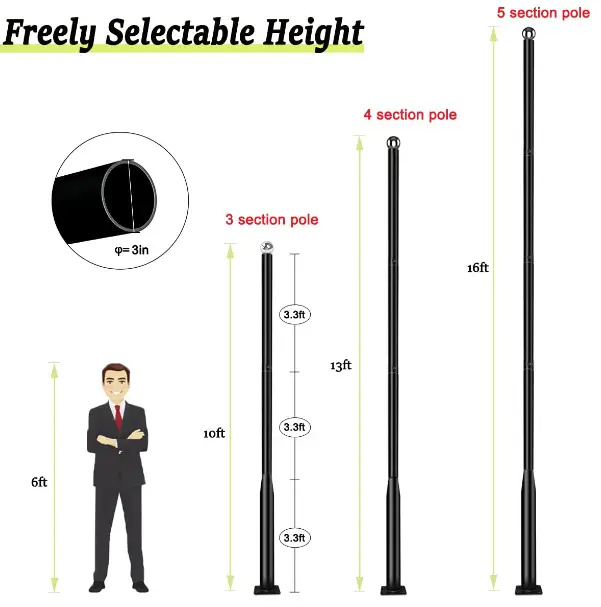
6. Choosing the Right Street Light Height for Your Project
When selecting the appropriate street light height, consider the following steps:
-
Assess the Area: Identify whether the area is residential, commercial, or industrial, and understand the type of traffic it experiences.
-
Lighting Needs: Determine the required lighting level based on safety, aesthetic, and functionality.
-
Pole Type and Material: The height of the pole should complement the material used for durability and cost-effectiveness.
-
Compliance with Local Regulations: Ensure your street light height complies with any local zoning and building codes.
7. Advantages of Properly Sized Street Lights
Properly sized street lights have several benefits, including:
-
Improved Safety: Adequately tall street lights ensure better visibility for both drivers and pedestrians, reducing the risk of accidents.
-
Enhanced Aesthetics: Well-lit streets contribute to a more appealing urban environment.
-
Energy Efficiency: Proper lighting levels, supported by efficient lighting technology, reduce energy consumption and operating costs.
-
Crime Prevention: Properly illuminated streets deter crime and increase security in public areas.
8. FAQs
-
How tall is a street light for a highway?
A typical street light for highways ranges from 30-40 feet, providing maximum coverage for high-speed traffic. -
Can street lights be too tall?
Yes, street lights that are too tall can cause glare and inefficiency in lighting distribution. It’s crucial to find the optimal height for the specific application. -
Are LED street lights taller than traditional ones?
LED street lights are typically around the same height as traditional lights, but their energy efficiency allows for better illumination from a lower wattage. -
What factors determine the height of street lights in residential areas?
In residential areas, factors such as the size of the road, the amount of traffic, and safety considerations influence the height of street lights. -
How far apart should street lights be spaced?
On residential streets, lights are spaced around 100-150 feet apart, while on highways, the spacing can be much greater. -
What is the lifespan of street light poles?
The lifespan of a street light pole varies depending on the material, but typically, metal poles can last for 30-40 years with proper maintenance. -
Can street light height be adjusted?
In some cases, yes, adjustable poles are available for specific projects, but generally, once a pole is installed, its height is fixed. -
What is the most energy-efficient street light height?
The most energy-efficient height is one that balances the lighting needs with the pole’s wattage and spread, typically 14-24 feet for residential areas and higher for commercial spaces.