

For medium to large outdoor areas where rapid deployment and minimal civil works are priorities, a properly specified all-in-one IP65 300W LED solar street light with monocrystalline PV, a LiFePO4 battery pack and an MPPT charge controller delivers dependable illumination comparable to wired installation while lowering operating cost and reducing installation time. Prioritize units that demonstrate system efficacy of at least 120 lumens per watt, provide separate LED and battery warranties, and publish LM-80 / TM-21 and battery cycle test reports to validate life expectancy.
Why an all-in-one IP65 300W solar street light is frequently selected for retrofits
All-in-one solar street lights combine PV, illumination, battery and intelligence within a single housing that mounts on a pole. That integration shortens project timelines by eliminating trenching and reduces the number of unique parts to procure. An IP65 enclosure offers dust-tight protection and resistance to low pressure water jets, which is sufficient for most urban and suburban installations. For coastal or washdown conditions consider IP66 or IP67 models. When procurement teams require rapid deployment and standard pole geometry, a 300W class all-in-one often hits the balance between lumen budget and capital cost.
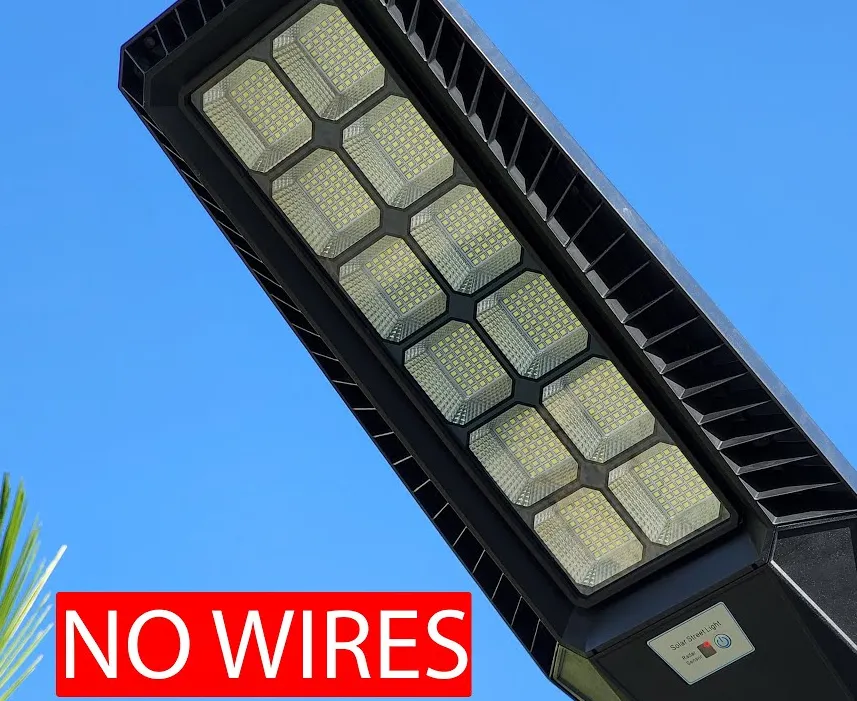
Core subsystems and their procurement requirements
An engineer or buyer must evaluate each subsystem: LED modules with LM-80 reports, PV panel efficiency and construction, the battery chemistry and BMS, the controller topology (MPPT preferred), and the thermal path from LED to the housing. Specify LM-80 and TM-21 data for LEDs, independent battery cycle tests for the pack, and MPPT performance curves for the controller. That documentation reduces uncertainty in tenders and allows reliable life-cycle modelling.
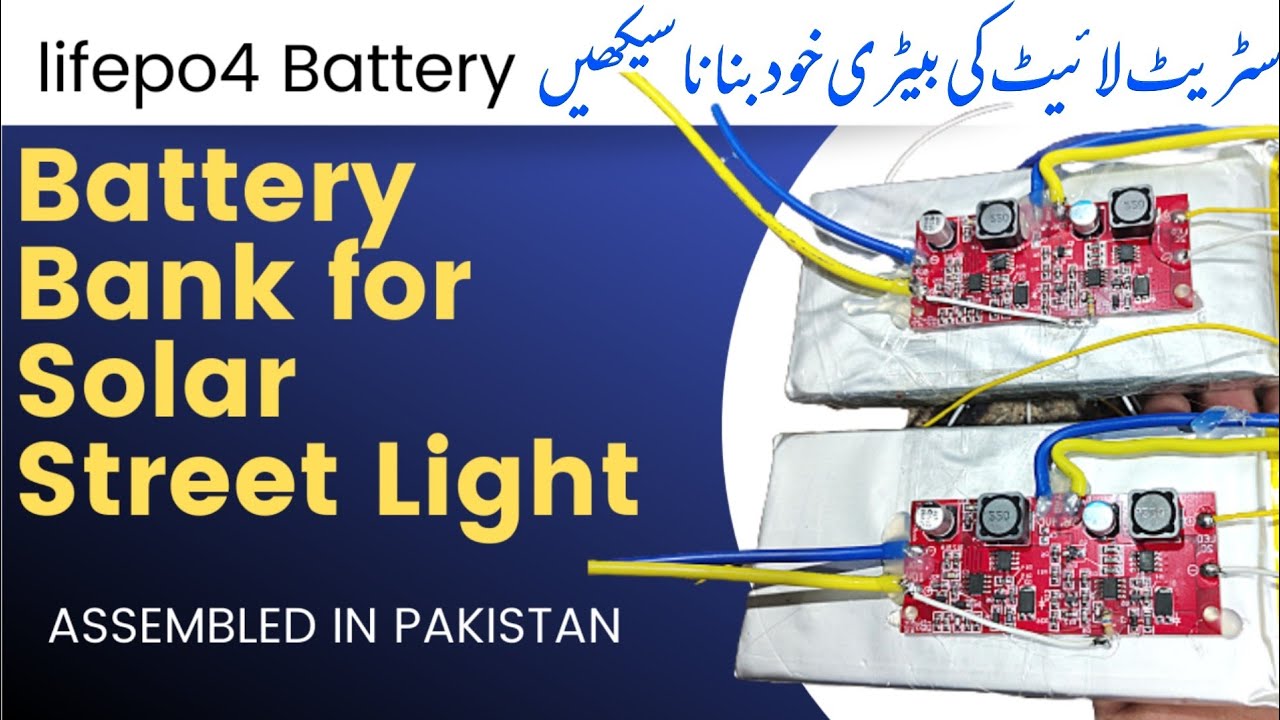
Key technical targets to require in a specification
When writing a technical specification require: system efficacy ≥ 120 lm/W (system-level), luminous flux consistent with photometric files, battery usable kWh and cycle warranty, MPPT charge control with programmable dimming, and IP rating with corrosion treatment. Also require IES photometric files and an explicit Tc test point for thermal performance. These targets are practical and support robust tender comparisons.
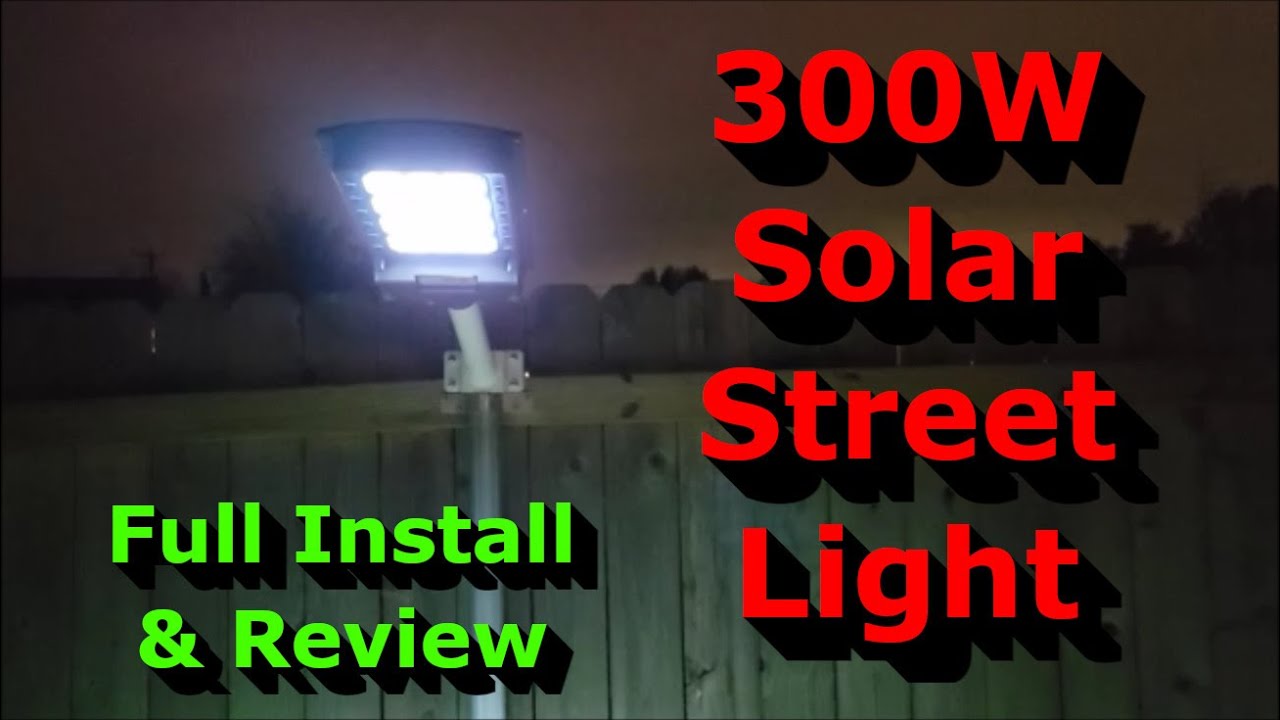
How to correctly size panels and batteries for reliable autonomy
Sizing workflow: define nightly runtime profile, compute average Wh/day (accounting for dimming), select battery capacity for required autonomous nights at the usable depth of discharge (LFP typically allows 80% usable), and size PV to replenish battery with seasonal insolation margins and derating factors for temperature and soiling. Conservative PV sizing and MPPT regulation are essential to avoid chronic low state-of-charge conditions. Use local solar data or PV modelling tools when preparing tender schedules.
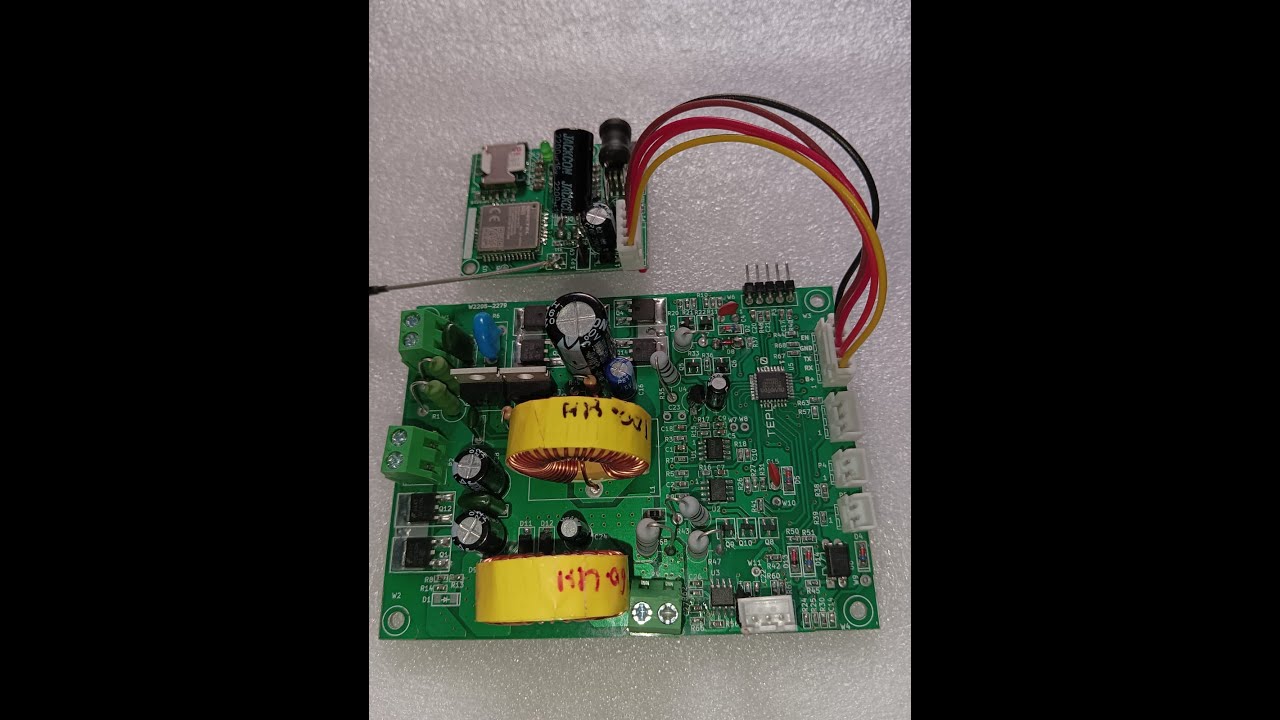
Thermal design, LED longevity and battery performance
Heat accelerates lumen depreciation and shortens battery life. Insist on thermal path descriptions (how the LED MCPCB couples to the aluminum housing), Tc test data, and driver over-temperature behavior. For battery packs ask for rated operating temperatures, cell manufacturer ID, BMS schematic and cycle test results. LFP chemistry provides significantly better cycle life and safety in many field installations.

Installation, civil checks and wind loading considerations
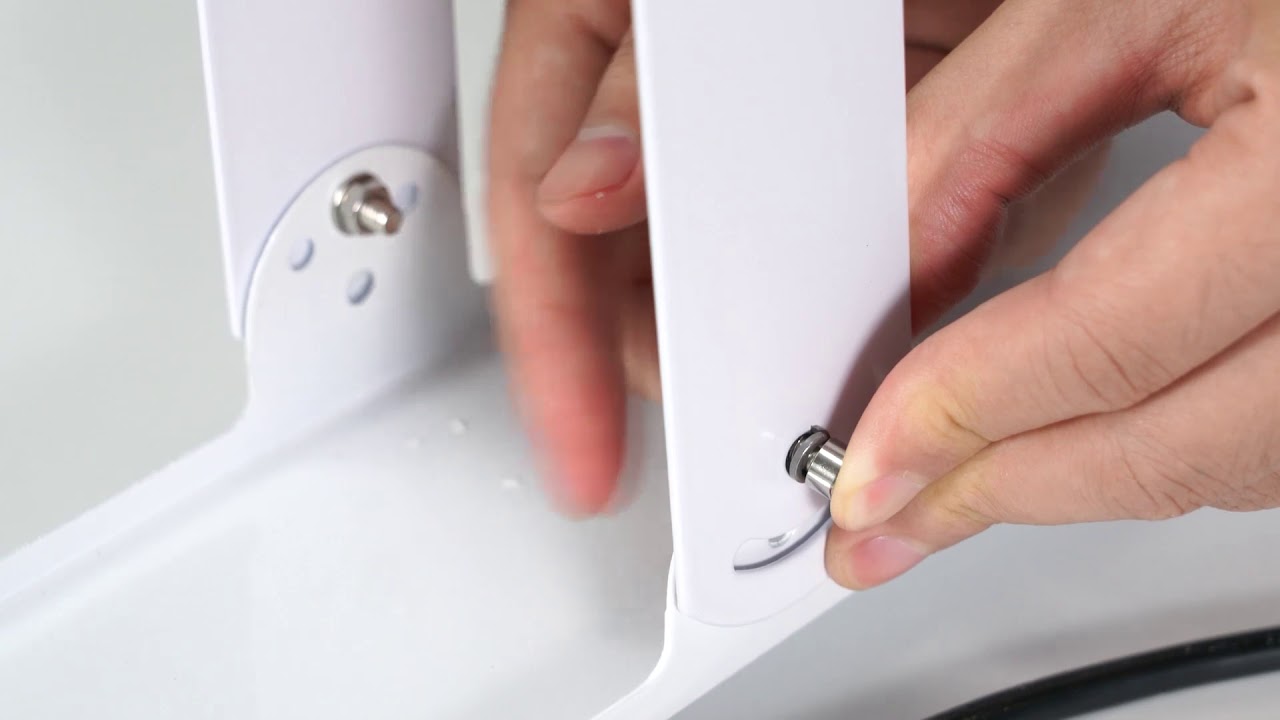
All-in-one fixtures concentrate windage because the panel is attached to the luminaire body. Verify pole wind ratings for the unit’s projected frontal area at the planned mounting height. Also validate service access for battery replacement and tilting for seasonal optimization. Typical mounting heights for 300W units range from 6 to 12 meters; use photometric outputs (IES files) to choose pole spacing and height to meet lux targets.
All-in-one vs. modular architecture – procurement trade-offs
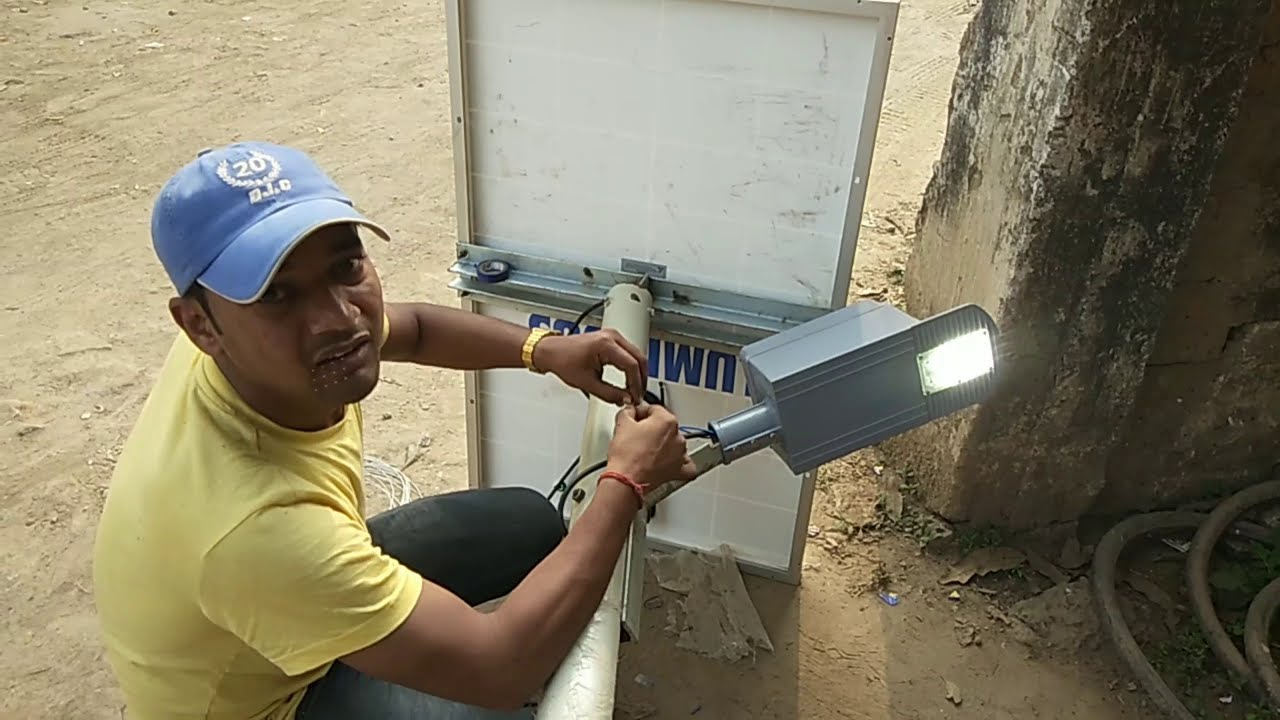
All-in-one strengths: faster installation, simpler logistics and generally lower initial civil costs. Modular strengths: optimal PV siting, separate lifecycle replacement of panels or batteries and greater scalability. For shaded or terrain-challenged sites prefer modular systems; for rapid municipal rollouts the all-in-one approach reduces complexity. Ensure procurement documents call out which architecture is acceptable.
Quality checklist for tenders and factory verification
Procurement checklist – require LM-80 / TM-21 for LEDs, battery cycle test data and BMS diagrams, MPPT charge curves, IP/IK test reports, Tc thermal test point, IES photometry and a clear separate warranty for LED and battery. Request at least one field reference from a similar climate zone and a PDF pack of datasheets for the submitted model. When possible request a sample unit for a short-term field trial.
Practical economics – lifecycle cost considerations
Total cost of ownership includes acquisition, installation, replacement cycles and maintenance logistics. LFP battery packs reduce replacement frequency relative to lead-acid and improve life-cycle economics. Include soft costs (permits, traffic control for civil works) in comparisons. For many projects where grid extension requires trenching, all-in-one solar systems can realize payback in a few years depending on local labor and material costs.
Sample technical specification (copy into tender)
All-in-one IP65 300W LED Solar Street Light - Sample Specification
Nominal power: 300W system.
System efficacy: ≥ 120 lm/W (system-level).
Rated lumen output: specify photometric file and expected lumen maintenance.
LED modules: SMD LEDs with LM-80 report; TM-21 L70 projection required.
Solar module: monocrystalline, provide cell make/model and efficiency.
Energy storage: LiFePO4 battery with BMS; provide cell datasheet and cycle test.
Controller: MPPT with programmable dimming scenes and remote monitoring option.
Ingress protection: IP65 minimum (IP66/67 preferred for coastal/marine).
Thermal: provide Tc test point and housing thermal path description.
Documentation: datasheet, IES file, LM-80/TM-21, battery cycle test, IP test reports.
Warranty: LEDs 5 years; battery 3 years or cycle-based warranty; full unit 3 years.
Frequently Asked Questions
- What does IP65 mean?IP65 indicates dust-tight protection and protection against low pressure water jets from any direction. For harsher spray or immersion environments choose IP66 or IP67.
- Why prefer LiFePO4 batteries?LiFePO4 cells generally offer higher cycle life, better thermal stability and deeper usable depth-of-discharge relative to lead-acid. Ask for independent cycle test results and the BMS schematic.
- Is MPPT required?MPPT increases energy harvest under variable irradiance and improves charge efficiency; for high-power integrated systems MPPT controllers are recommended.
- How many nights of autonomy should I specify?Specify 2 to 3 nights autonomy for most municipal use cases. Increase autonomy for regions with extended cloud seasons or for critical installations. Size PV and battery accordingly.
- What test reports should be mandatory?LM-80/TM-21 for LEDs, battery cycle test for the pack, IP/IK certificates, Tc thermal test point, and IES photometry. These reduce warranty risk.
- How to handle coastal installations?Specify corrosion-resistant coatings, higher ingress rating and salt-spray test results; consider IP66/67 and stainless hardware for longer life.
- Should I require sample units?Yes, a short field trial reduces procurement risk and validates vendor claims under local conditions. Retain funds to test 1% to 3% of the order as pilots where possible.
- What photometry files are needed?Require .IES or .LDT files for each model so lighting designers can simulate spacing, lux and glare for the specific optics supplied.