

Solar parking lot LED lights are revolutionizing the way businesses and municipalities illuminate outdoor spaces. By combining energy-efficient LED technology with solar power, these lighting solutions offer a sustainable, cost-effective, and environmentally friendly alternative to traditional lighting systems.
1. What are Solar Parking Lot LED Lights?
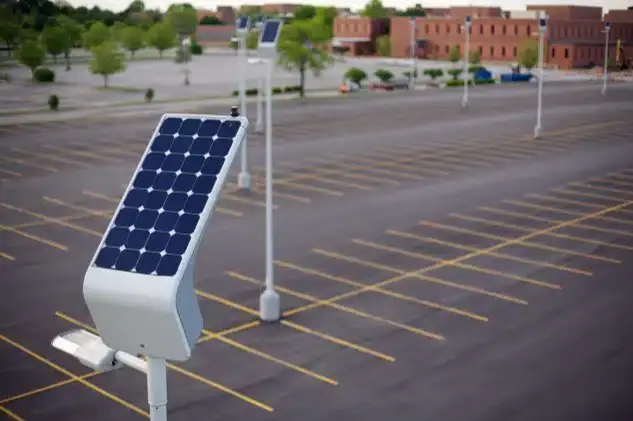
Solar parking lot LED lights are energy-efficient outdoor lighting solutions that use LED technology powered by solar energy. These lights are designed specifically for large outdoor areas like parking lots, offering bright illumination without relying on grid electricity. They are equipped with solar panels that capture sunlight during the day and store energy in batteries, which powers the LEDs at night.

2. Key Features of Solar Parking Lot LED Lights
-
High Efficiency: LED technology ensures energy efficiency and longevity, offering brighter light for a lower energy consumption.
-
Solar-Powered: No need for an external power supply; these lights use solar panels to convert sunlight into energy.
-
Durability: Built to withstand harsh outdoor conditions, with weather-resistant materials and IP65-rated waterproofing.
-
Smart Lighting: Many solar parking lot lights come with motion sensors or dusk-to-dawn features for energy-saving operation.
3. Benefits of Using Solar Parking Lot LED Lights
-
Cost Savings: Solar-powered lights eliminate electricity costs, making them highly cost-effective over time.
-
Environmentally Friendly: By using renewable energy, solar parking lot LED lights help reduce carbon footprints and support sustainability.
-
Low Maintenance: With no external wiring or power infrastructure, solar lights require minimal maintenance.
-
Improved Safety: Bright, reliable illumination increases safety for drivers and pedestrians in parking lots.
4. How Solar Parking Lot LED Lights Work
Solar parking lot LED lights operate through a combination of solar energy and LED technology. The solar panel absorbs sunlight and converts it into electrical energy during the day. This energy is stored in a battery, which powers the LEDs during the night. Depending on the model, the lights may feature automatic sensors that detect dusk and dawn, turning the lights on at night and off during the day.
5. Factors to Consider When Choosing Solar Parking Lot LED Lights
-
Brightness (Lumens): Choose lights with adequate brightness for the size of the parking lot. Higher lumens mean brighter light.
-
Battery Capacity: Ensure the battery can store enough energy to power the lights throughout the night.
-
Solar Panel Size: The size of the solar panel determines how much sunlight it can absorb, impacting the light’s efficiency.
-
Weather Resistance: Ensure the lights are built to withstand your local weather conditions (rain, snow, extreme temperatures).
6. Installation Process for Solar Parking Lot LED Lights
-
Site Assessment: Conduct an assessment of the parking lot to determine the optimal placement for solar lights.
-
Mounting the Solar Panels: Install the solar panels in a location where they can receive maximum sunlight exposure.
-
Mounting the LED Fixtures: Secure the LED fixtures to poles or posts, ensuring proper alignment for optimal coverage.
-
Connecting the Battery and Lights: Connect the batteries to the LED fixtures to ensure seamless operation.
-
Testing: Test the lights to ensure they turn on and off automatically as per the installed sensors.
7. Maintenance and Longevity of Solar Parking Lot LED Lights
-
Cleaning: Regularly clean the solar panels to remove dirt, debris, and dust that may obstruct sunlight absorption.
-
Battery Checks: Inspect the battery periodically to ensure it’s holding a charge.
-
LED Check: Ensure that the LED bulbs remain bright and replace them if they start dimming.
-
General Inspections: Perform routine checks for wear and tear, especially after extreme weather conditions.
8. Cost and Savings of Solar Parking Lot LED Lights
-
Upfront Costs: Solar parking lot LED lights may have a higher initial cost than traditional lights, but the long-term savings on electricity and maintenance make them more cost-effective.
-
Return on Investment: Over time, the reduction in energy bills and the minimal maintenance costs lead to a high return on investment.
-
Government Incentives: In some regions, government rebates and incentives may reduce the upfront cost.
9. Frequently Asked Questions (FAQs)
Q1: How much does it cost to install solar parking lot LED lights?
A1: The cost varies depending on the size of the parking lot, the number of lights required, and the specific model of the light. On average, installation can range from a few hundred to several thousand dollars.
Q2: How long do solar parking lot LED lights last?
A2: With proper maintenance, solar parking lot LED lights can last up to 20 years, with the solar panels typically lasting 25+ years.
Q3: Can solar parking lot LED lights work in cloudy or rainy weather?
A3: Yes, solar parking lot lights can still function on cloudy or rainy days, though the battery charge may not last as long. It is important to install lights in areas with sufficient sun exposure.
Q4: Do solar parking lot lights require wiring?
A4: No, one of the main advantages of solar lights is that they do not require any external wiring, making installation faster and more cost-effective.
Q5: Are solar parking lot LED lights environmentally friendly?
A5: Yes, solar lights use renewable energy from the sun, reducing reliance on fossil fuels and lowering carbon emissions.
Q6: How do I determine the right number of lights for my parking lot?
A6: The number of lights needed depends on the size of the parking lot, the desired brightness, and the light distribution pattern. Typically, consult with a lighting expert for accurate recommendations.
Conclusion:
Solar parking lot LED lights are an innovative solution that offers sustainable and cost-effective illumination for outdoor spaces. With numerous benefits like energy savings, low maintenance, and environmental friendliness, they are becoming the preferred choice for many businesses and municipalities. By understanding the key features, installation process, and considerations when choosing these lights, you can make an informed decision that will benefit your property for years to come.